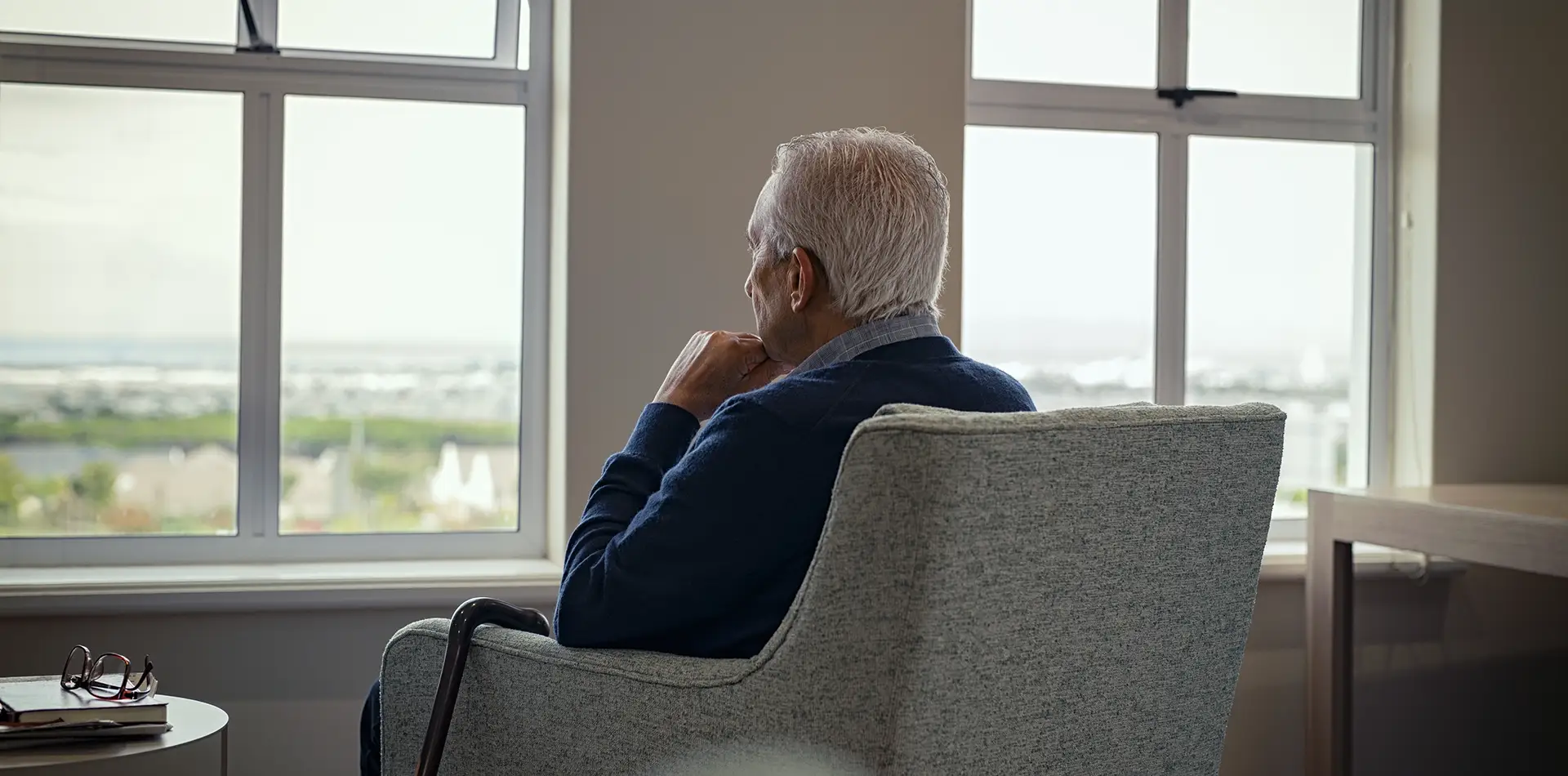
Over the past 55 years as a CPA, I have had the good fortune of watching thousands of people move through different phases of life. Through these experiences, I have noticed a series of common spiritual stages.
Career, Money, and the Early Years
In the early years, the primary focus is on making money and building a career. For most people, spirituality is not a priority at this stage, although they may still act with kindness and consideration when it suits them. As they move forward, they begin looking for a partner. While this stage is not deeply spiritual, it often brings out more compassion through love. There is cooperation, hope, and a sense of possibility, but often little understanding of what lies ahead. Much is taken on faith that things will work out.
When Children Arrive
When people decide to have children, a deeper layer begins to emerge. In a sense, they are bringing both a physical child and a soul into the world. At birth, many parents are struck by the beauty and essence of life. Love opens something within them, and spirituality can begin to take root. However, raising children is not always easy. When challenges arise, that sense of connection can fade for some. Much depends on the parents’ own struggles and beliefs. While there is often care and compassion for their children, true spiritual awareness is still limited.
The Weight of Conflict and Divorce
If the relationship between partners breaks down, as I have seen frequently in my practice, divorce can introduce emotions such as anger, betrayal, and conflict, particularly around money. In these moments, spirituality is rarely the focus.
The Empty Nest and a Shift Inward
As people grow older and their children leave home, a shift often occurs. The “empty nest” creates space for reflection. Parents begin to think more deeply about their lives and their children’s futures. Some turn to prayer or develop a stronger sense of spirituality, while others drift apart. Those who do seek connection may join communities or groups aligned with their interests. However, this stage often reflects a growing sense of humanity and self-awareness rather than a deeper understanding of energy or spirituality.
Around 60 – When Spirituality Begins to Matter More
Around the age of 60, many people begin to recognize that a significant portion of life is behind them. At this point, spirituality often becomes more important. There is increased curiosity about the soul, life after death, and overall well-being. People begin to focus more on their health, eating better, exercising, and exploring practices such as meditation, yoga, breathing techniques, and Pilates. This is part of the inspiration behind One Love and the concept of the “Star of Light,” which emphasizes energy as a foundation for health and balance.
Legacy, Mortality, and What Comes Next
As individuals approach the later stages of life, their focus often turns more directly to mortality. They begin organizing their finances, considering their legacy, and thinking about what happens after death. Many choose to support their children financially or contribute to causes they care about, including charitable organizations and animal welfare groups. There is often a desire to leave a positive impact and, in some cases, to reconcile past actions.
With more time available, some people read, play games, or travel, while others seek deeper meaning through quieter pursuits. A smaller number engage in community service.
When Illness Awakens the Spirit
When serious illness arises, such as cancer or other diseases, spirituality often intensifies. People turn inward, visualizing healing, seeking peace, and searching for meaning. In many ways, spirituality becomes more present as life becomes more fragile.
What If We Started Earlier?
From what I have observed, spirituality tends to emerge later in life for many people. It makes me wonder how different things might be if this awareness began earlier—if people understood and worked with their energy throughout all stages of life.
I welcome your thoughts.