
What Is the Inner Child?
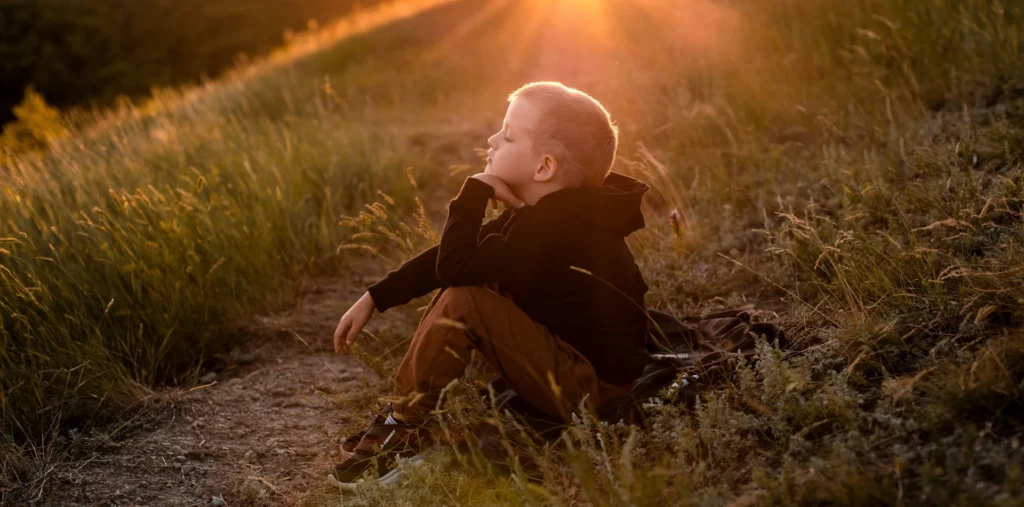
The idea of the “inner child” is a powerful one. It represents who you were when you were young, your emotions, thoughts, and early behaviors. That part of you never disappears. It stays with you, influencing your reactions and shaping how you experience life.
Psychologist Carl Jung described this as part of the unconscious mind. Whether you think of it as subconscious or unconscious, the meaning is similar: your early experiences, whether loving, neglectful, or painful, leave a lasting imprint. They form the foundation of your personality and your relationship with the world.
The Connection Between Inner Childhood and Spirituality
In many ways, this is closely tied to spirituality, especially if you define spirituality as the use of your inner energy for health, happiness, and well-being. As a child, you were naturally curious. You explored, played, and engaged with the world without overthinking. Whether it was interacting with animals, exploring nature, or simply asking questions, those early experiences helped shape who you became.
Some therapists suggest that by around age five, much of your core personality is already formed. The joys and challenges you experience in those early years become part of your inner child. From that point forward, through school, work, relationships, and beyond, you build on that foundation.
The Ego and the Layers We Build Over Time
As you grow older, you also develop what many would call an ego, an outer layer shaped by society’s expectations. You adapt to fit into your environment: pursuing education, building a career, earning a living, and navigating social structures. In doing so, it’s easy to lose touch with the openness and authenticity you once had.
Later in life, often after raising children or stepping away from a career, you may begin to reflect more deeply. You may realize that reconnecting with your inner child, your early sense of curiosity, freedom, and emotional truth, can help bring meaning to this stage of life. It can guide how you spend your time and how you redefine who you are.
Questioning What You Were Taught
This process isn’t always easy. One challenge is reexamining what you believe. As children, we tend to accept what we’re taught, by parents, schools, and society, without question. Some of those teachings are helpful; others may be incomplete or even misleading. Over time, you may begin to question them and form your own understanding.
For many people, this includes rethinking ideas about spirituality or religion. Some find value in tradition, community, and shared practices. Others move toward a more personal understanding, seeing spirituality as something internal rather than external, something rooted in connection, awareness, and energy.
Reconnecting With Your Authentic Self
From this perspective, reflecting on your inner child becomes a way of reconnecting with your authentic self. It’s about understanding where your patterns come from, recognizing what shaped you, and deciding what still serves you today.
If you see yourself as having a deeper essence—whether you call it a soul, consciousness, or inner energy, then life becomes a process of learning and growth. Revisiting your early experiences can help you better understand that journey.
By doing so, you may find greater clarity, more peace, and a stronger sense of purpose. You begin to see not just who you were, but how those early influences continue to shape who you are, and who you choose to become.