
For the past week, I have been watching Jay Smith on YouTube discussing the history of Muhammad and early Islamic texts. Some of the material raises many questions about how religious history is recorded and interpreted over time.
Questions in the History of Muhammad
One of the claims often discussed is that early references to Muhammad appear in texts written long after his death, sometimes by writers who were geographically distant and did not personally know him. There are also ongoing debates among historians about early Islamic geography, manuscripts, and how traditions developed over time.
How Belief Systems Take Shape
These discussions also raise broader questions about how religious belief systems form. This is not unique to Islam, similar historical questions exist in other traditions as well. For example, early Christian doctrine was also shaped over centuries through councils, interpretation, and evolving theological perspectives.
From my perspective, my interest is not in proving or disproving historical figures, but in observing how belief systems develop and how deeply people hold to them across generations.
Islam today is the second largest religion in the world, followed by Christianity as another major global faith tradition. Both have shaped cultures, laws, and personal identities for centuries. Within these traditions, there are also different interpretations and understandings of key figures such as Abraham, Moses, and Jesus, each viewed differently depending on the religious framework.
Conviction, Ritual, and Conflict
What stands out to me most is not the historical debate itself, but the depth of conviction people hold about these narratives, practices, and sacred texts. Rituals such as prayer, fasting, and daily devotion are meaningful and central to millions of lives around the world.
At the same time, it is difficult to ignore how often religious identity has been tied to political conflict. In the modern world, regions such as the Middle East continue to experience tension involving religion, governance, and geopolitical power struggles. These conflicts are complex and involve many layers beyond belief alone.
I have also spent time listening to different voices from within the Muslim world, including personal testimonies and discussions about faith, experience, and spirituality. It is striking how powerful belief can be in shaping a person’s understanding of life, purpose, and even experiences of suffering or hope.
A Star of Light View of Energy
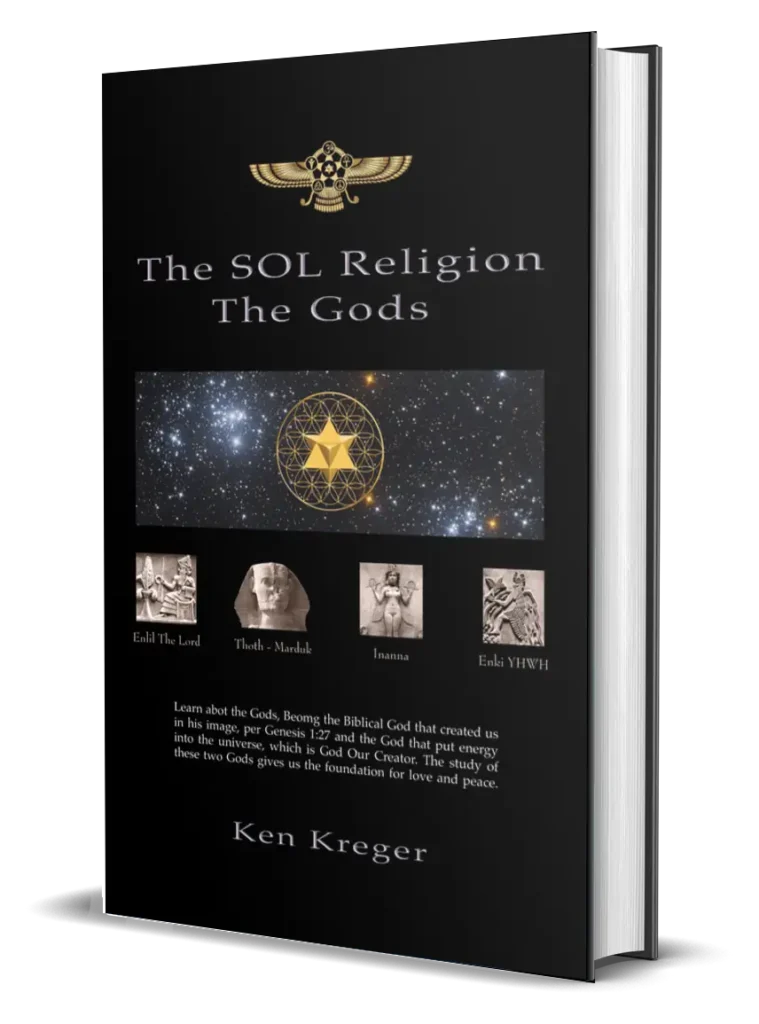
From my Star of Light perspective, life is not primarily about rewards in an afterlife, but about how energy is used and understood in this lifetime. Energy shapes nature, biology, creativity, and human innovation. It is the foundation of how we live, build, and relate to one another.
In this view, what many people call “God” can be understood as a universal presence of energy, expressed in nature, in living systems, and in the human experience itself. Trees, plants, animals, and the human body all reflect this living system of energy and balance.
When we are aligned with this natural harmony, there is a sense of peace and well-being. When we are not, we experience stress, conflict, and imbalance. Much of human suffering, in this view, comes from disconnection, from nature, from each other, and from inner awareness.
Heaven as Alignment
Ultimately, I believe the deeper question is not about winning theological arguments, but about how we live. How do we use our energy? How do we treat one another? How do we move toward greater understanding, rather than separation?
In that sense, heaven is not something distant or separate. It is the experience of alignment, being present within life itself, connected to nature, and living in harmony with others. That, to me, is closer to the idea of One Love and the Star of Light perspective.