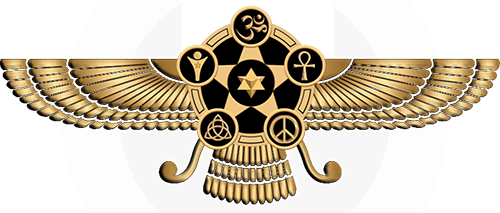

There are many philosophies and belief systems in the world. The major ones include Christianity and Islam, along with Eastern traditions such as Buddhism and Taoism. Other influential belief systems include Judaism and Seventh-day Adventism. Together, they represent a broad summary of what people choose to believe in.
For those unfamiliar with our perspective, we discuss the origins of Christianity, Judaism, and Islam in relation to the Anunnaki in our three books, which are available free at thestartflight.com.
Comparing Western and Eastern Beliefs
One fascinating aspect of these traditions is the contrast between Western and Eastern beliefs. Western religions are often centered around structure, authority, rules, and ideas of reward and punishment, such as heaven and hell. Their emphasis is frequently placed on organizational control and obedience.
Eastern philosophies, by contrast, tend to focus more on practical experience and the flow of energy. Taoism teaches the importance of moving with life rather than against it, while Buddhism emphasizes awareness, detachment, and understanding the mind and body.
Where One Love Finds Its Roots
One Love aligns more closely with Eastern philosophy because it focuses on the body, energy, and inner awareness. Rather than spending time defining concepts such as mindfulness intellectually, it encourages people to go within themselves, similar to Buddhist practice, while also recognizing what we believe is part of our human design.
The Flow of Energy Within Us
We believe all people are connected to a flow of energy that we call God. We describe this connection as being centered near the belly button in what we call the “Core Star of Light.” In our view, this energy is real and something we use every day in understanding how we feel, what foods nourish us, and what activities help us remain healthy and balanced.
We define spirituality in terms of the body and energy rather than external religious authority. To us, spirituality is the practical use of energy for health, happiness, and well-being.
Practices That Keep Us Balanced
We take what we believe are the most useful aspects of Eastern traditions and integrate them into the Star of Light philosophy. We meditate to relax and practice breathing to help center ourselves. We try to connect with Mother Earth, her electromagnetic fields, and the subtle energies within our own bodies.
In 11:11, which represents love, light, life, and living, we discuss the flow of energy through the intentional, mental, emotional, and physical dimensions. Some individuals claim to perceive and describe these energies, including writers such as C. W. Leadbeater, Barbara Ann Brennan, Valerie Hunt, and others who explored chakras and the body’s energetic systems.
What we do not understand is why more people dismiss the idea of energy while giving their power to institutions and organizations that often prioritize their own interests over individual well-being.
Healing as Becoming Whole
The idea of healing is actually very simple. Healing is about becoming whole. Yet very few people achieve that in a society focused primarily on profit, consumerism, and technologies or substances that may negatively affect human health, including chemicals, toxins, and excessive electromagnetic exposure from modern devices and infrastructure.
We live in a world that often overlooks the human side of life. While humanity has made remarkable discoveries, we frequently fail to apply them in ways that truly support health, peace, and balance.
We continue to pollute our planet and pursue profits over reason. Nations fight wars over resources while many leaders remain disconnected from compassion and awareness.
Returning to Love and Peace
Perhaps it is time to take a closer look at what we truly believe and work toward love and peace — because, in the end, those may be the only things that truly matter in how we relate to ourselves, our bodies, and one another.
We believe they are.