Addressing the Criticism
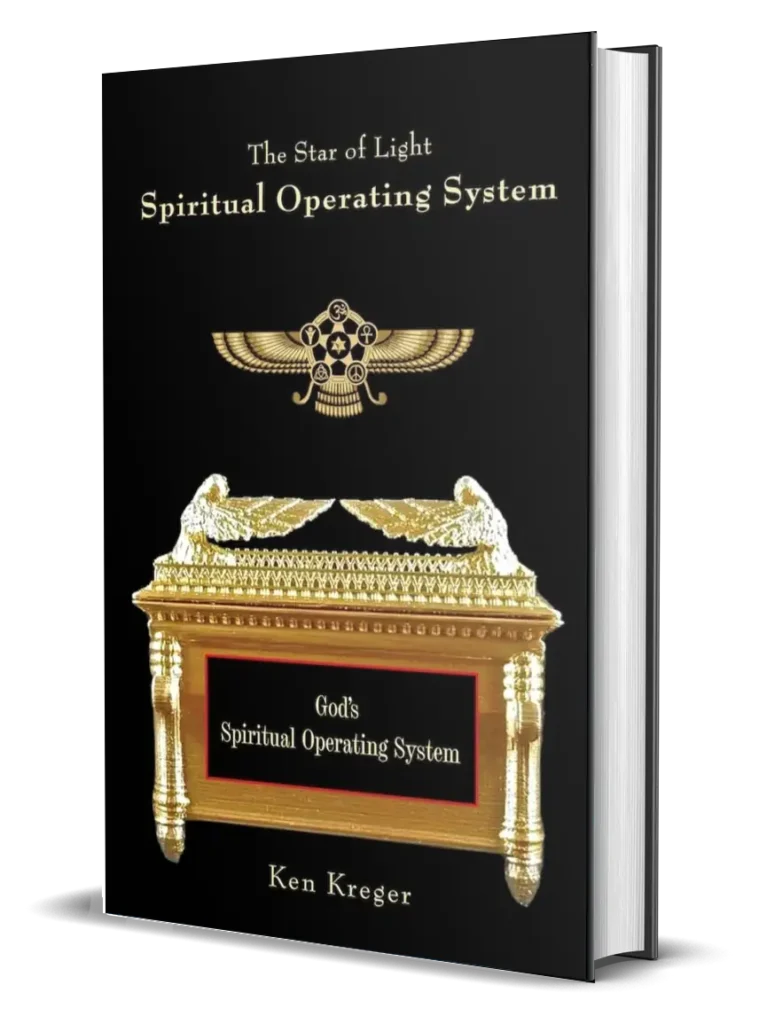
Someone recently said that I was taking away from, or modifying, the ancient Persian Faravahar. The Faravahar is a symbol that features a pair of wings with a person in the center. That central figure is said to be Nabu, better known as Zoroaster. Zoroaster was believed to be the son of Marduk, the Sun God of Egypt.
Zoroaster, Marduk, and Early Religion
Zoroaster preached what is considered the first one-God religion on behalf of his father, Marduk, who sought to rule the world. Marduk later became known as the Lord in the Bible and as Zeus among the Olympian gods. He was the head Olympian god, second only to his father, King Anu of the planet Nibiru.
Inanna, Enki, and Enlil
I know this may shock many people, but Marduk was involved in numerous wars, particularly against Inanna. Inanna was a goddess who ruled the first Persian empire, which included nearly half of the world’s population at the time. She was the granddaughter of King Anu and one of his favorites. According to ancient stories, she had relations with the king and helped initiate what became Hinduism.
Inanna was also the granddaughter of Enlil, who was in conflict with Enki. Both Enlil and Enki shared the same father: Marduk. Inanna was sometimes claimed to be the daughter of Nannar, the Moon God, who later influenced the development of Islam.
The Meaning of the Faravahar
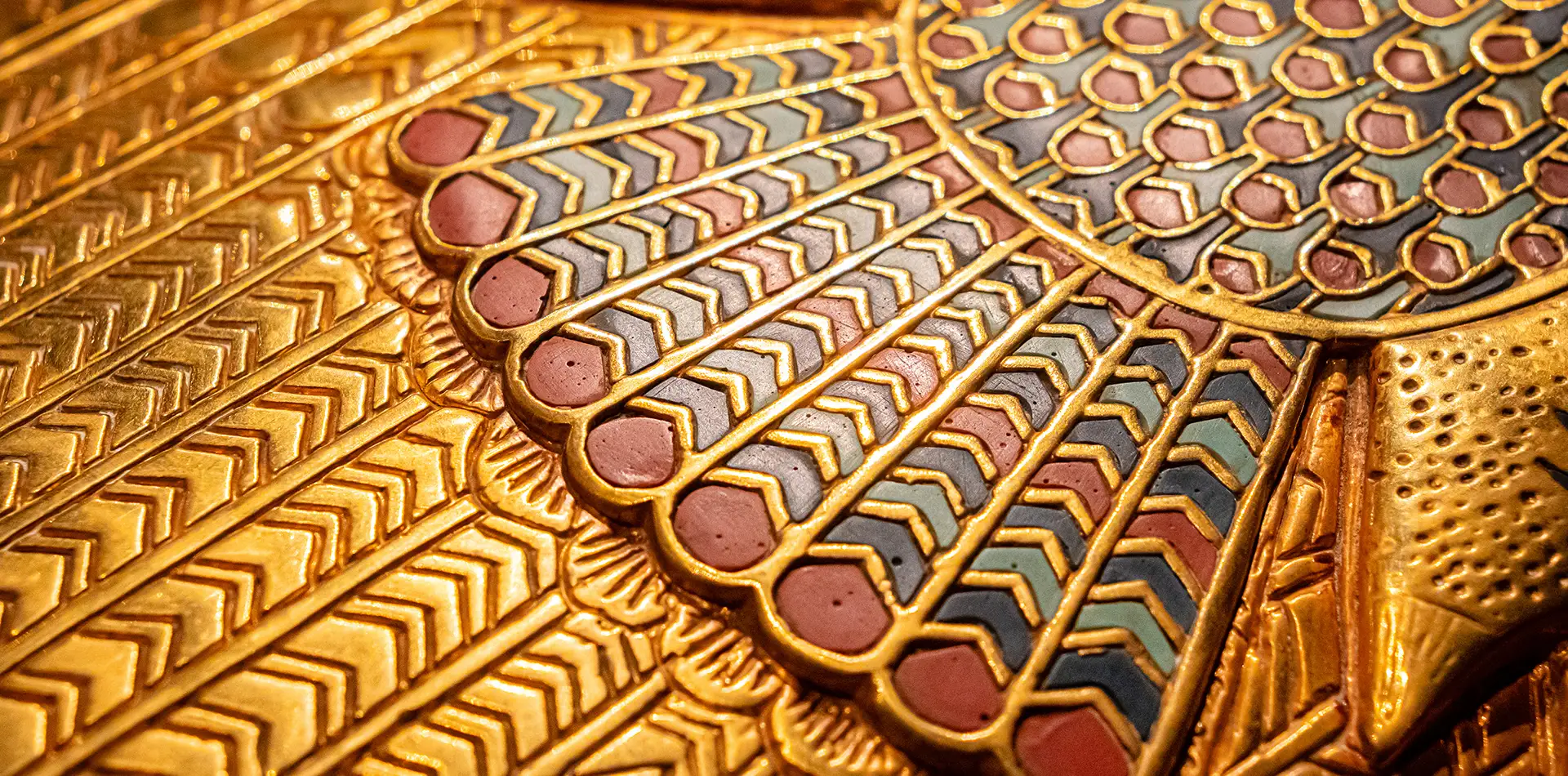
This is all ancient history, just like the Faravahar itself. The wings of the Faravahar represent good thoughts, good feelings, and good actions. The tail feathers represent bad thoughts, bad feelings, and bad actions. The symbol was also said to resemble the Anunnaki spacecraft, what we might today call airplanes.
The SOL Star and One Love
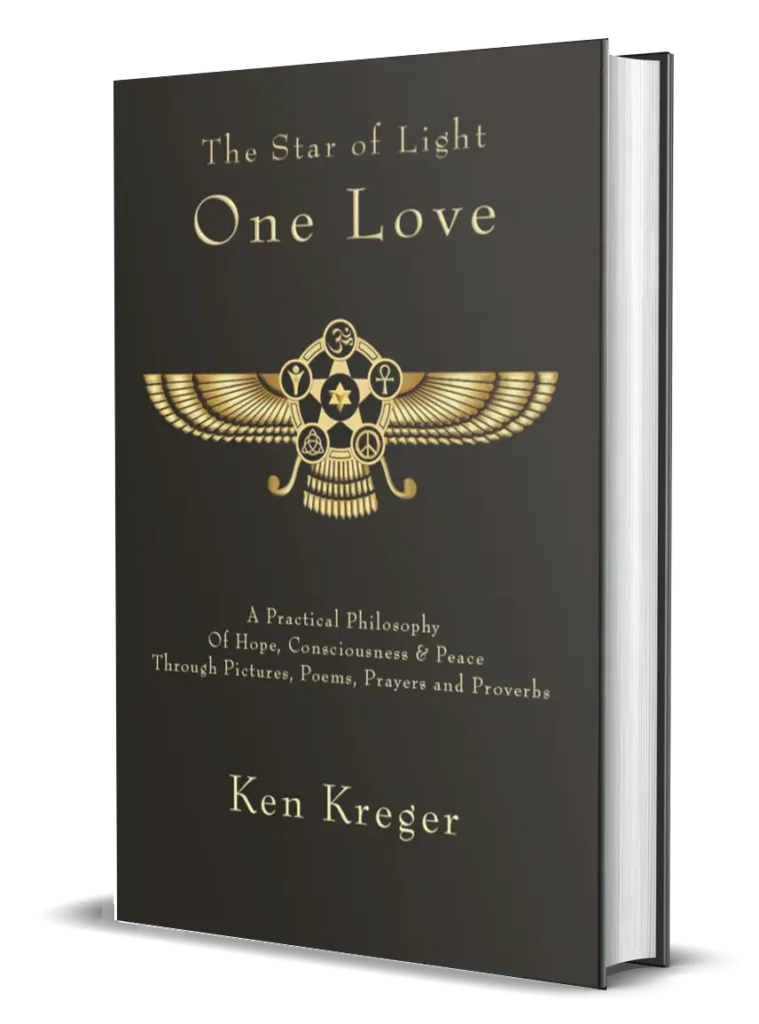
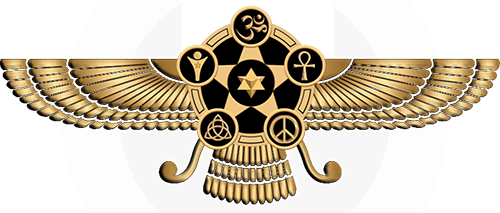
The SOL Star, however, is a symbol for a new religion called One Love. It is meant for everyone, because we are all stars of light (SOL), brothers and sisters alike. The symbol has seven wings attached to a central body. These seven wings represent the seven energy themes of the Star of Light: our core Star of Light, consciousness, spirit, soul, and the tail feathers, which represent our mental, emotional, and physical dimensions. Together, they form what is similar to an aura.
Energy, Consciousness, and the Mandala
The mandala in the center represents an individual’s personal use of this energy. If a person is fully conscious, they will have developed their spirit (the top symbol), their soul (top left), their thoughts (top right), and embraced love and peace (the two bottom symbols).
Updating an Ancient Symbol
To a certain extent, the criticism is correct. We have used the ancient Faravahar as a foundation, but we have updated it with modern energy concepts. Instead of representing Nabu, it represents the energy of the individual. Everyone is considered equal, and the message is love and peace.
Connecting Past and Present
While the Faravahar was originally a religious symbol, its modern use reflects God’s energy surrounding an individual’s own energy. It carries many layers of meaning and remains powerful, especially since the ancient Anunnaki were said to have created humans in their own image, as referenced in the Bible.
Because the Bible, the Anunnaki, and energy are central themes in One Love, it becomes clear why this symbol was chosen. It connects people to the past and reminds them of the Anunnaki.
Looking Ahead
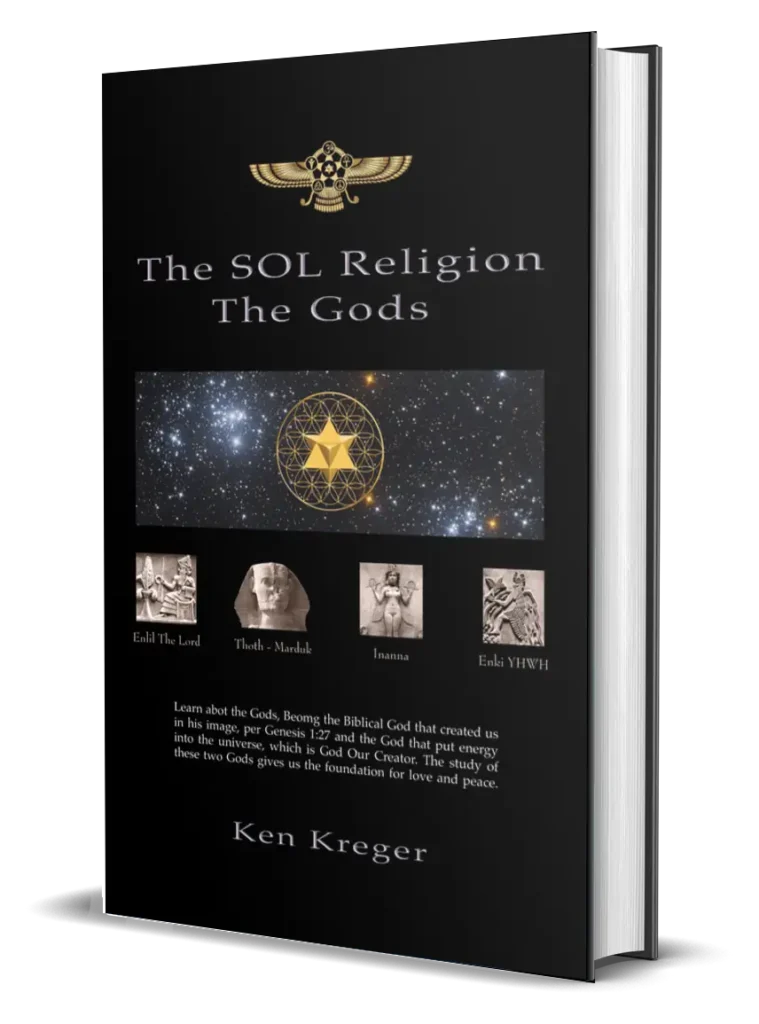
Book 3 of One Love, The Gods, will be released in about a week. There, you can learn more about this symbol and its deeper meaning.