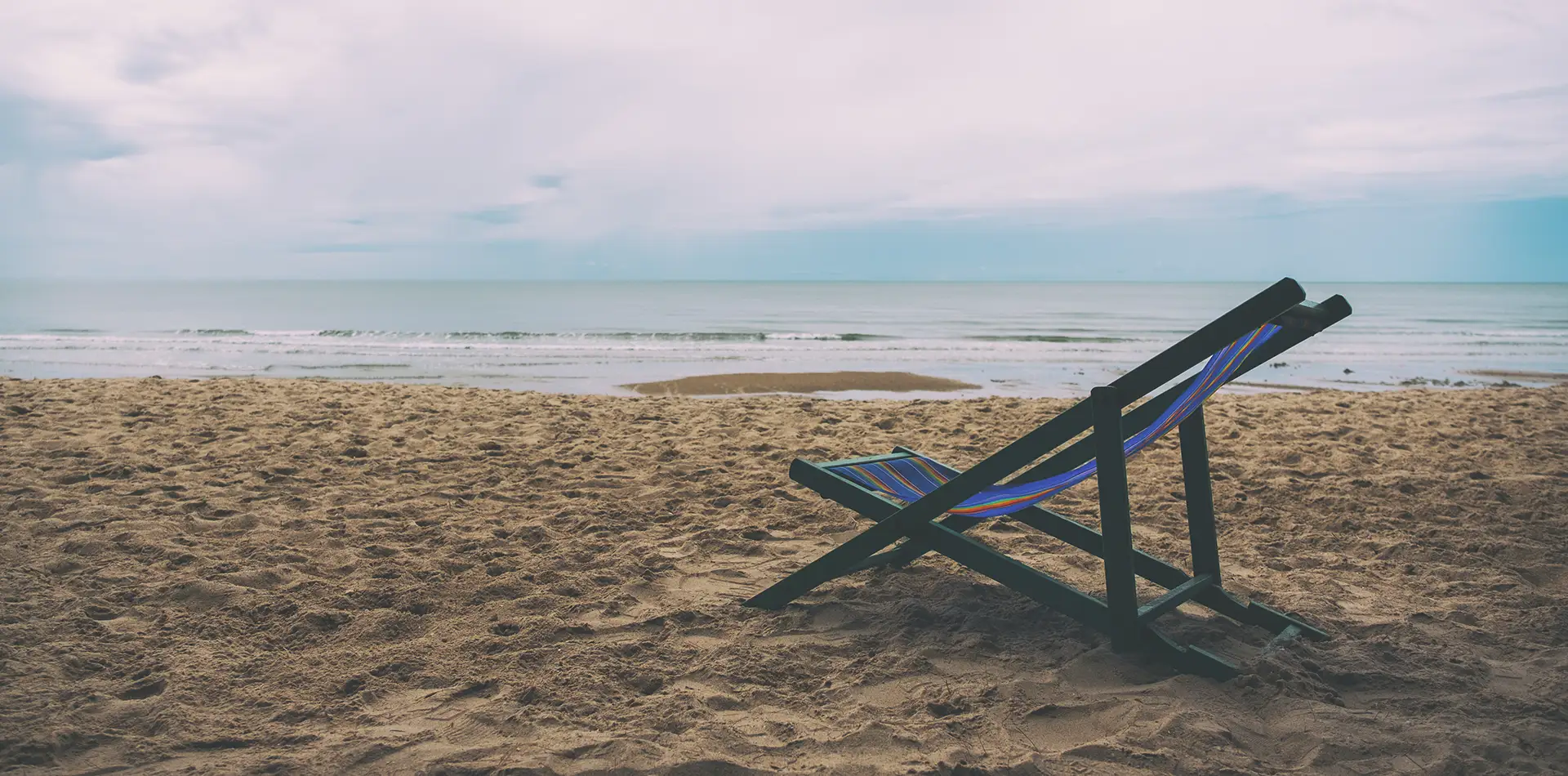
Why Doing Nothing Feels So Difficult
Doing nothing is often harder than it sounds. For those who have spent a lifetime working, unless you’re truly burned out or in need of rest, doing “absolutely nothing” can feel almost impossible. I’ve tried it myself, and often the mind simply won’t cooperate.
Alignment With Nature vs. Human Habit
In The Star of Light, we talk about finding peace through alignment with nature. Conceptually, that works beautifully—but as humans, we carry history, emotions, habits, and commitments. Stopping everything, even briefly, can feel unnatural.
The Vacation Trap
When you’re on vacation, the impulse is to explore, to see everything, to make every moment count. If you’re a productive person by nature, your instinct is to open your computer, check your email, find the parks, plan the activities, anything but sit still.
Just “being” in a new place often feels wasteful. Our personalities resist it. So we rationalize: I’m taking a break; I’ll do what I want. But doing nothing, truly nothing, is an art. And like any art, it requires practice, patience, and experience.
Why Stopping Is So Hard
You can sit quietly for only so long. You can meditate or breathe deeply, but eventually your mind reaches for the next task. At 76, after running a large CPA firm for six decades, simply stopping is difficult. Work is challenging. It’s rewarding. It’s familiar. Without something new to focus on, a vacation, a hobby, a bucket list, retirement can feel like stepping into a void.
A World That Resists Stillness
Capitalism and technology keep us activated. We reward busyness. We treat empty space as laziness. But in truth, empty space is often the birthplace of creativity.
Social media is fun but unnecessary. The constant ethics of care, answering messages, keeping up appearances, prevents stillness. Solitude and silence themselves are an art. They require intention. Sometimes you need to physically place yourself in a quiet environment, a garden, a forest, or even a simple room, and refuse to follow the noise in your head or the world around you.
The news rarely brings peace. If you can’t change what’s happening, give your brain permission to step away. Rest is not indulgence; it’s medicine.
Beginning the Practice of Nothingness
I find that simple maintenance tasks help: washing clothes, eating out without rushing, allowing myself a moment without purpose. These small acts recharge your battery.
Doing nothing is also your birthright. After decades of schooling and work, you have earned rest. I often start by daydreaming for a few minutes, then gradually extend the time. Mastery is when you can spend an entire day just dreaming.
Avoid setting strict appointments. Leave space open, intentionally. Over time, you’ll find yourself renewed. Periods of true rest build resilience, clarity, and emotional strength.
The Value of Sharing the Practice
With a little planning, you can free up entire stretches of time to do nothing at all. And you will be better for it.
If you’ve discovered your own way of mastering the art of doing nothing, I’d love to hear it. Share your insights with me, and I may include them in a future post.