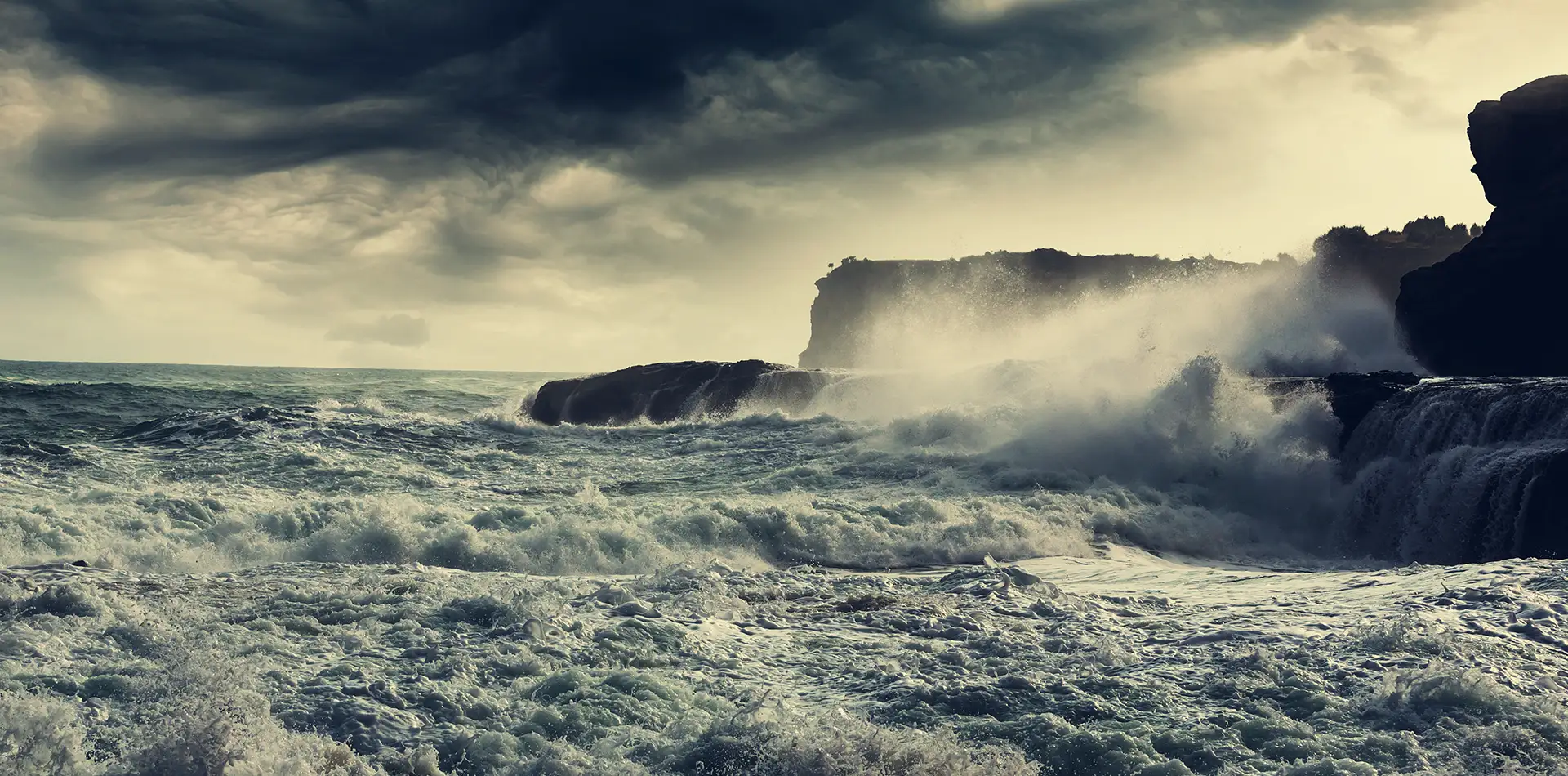
I live in Marin, California, and it has rained almost every day since I returned from Kauai over a month ago. The rain has been so constant that there are floods on the roads and extremely high water levels near the beach. This weather inspired me to write about Noah from the Bible—but from our perspective, not the traditional biblical narrative.
The Origins of Enki and Enlil
At the beginning of human history, there were two great leaders: Enki and his half-brother Enlil. Enki first came to Earth about 500,000 years ago to mine gold. Enlil later became the second administrator of Earth. Earth was named after Enki, as was the Age of Aquarius. Enki was also the first ruler of Egypt, known as Ptah. Both Enki and Enlil were sons of King Anu from their home planet, Nibiru, located within our solar system.
A Legacy of Conflict
Enlil became the first “God” of the Bible, a role later taken over by Marduk, Enki’s son. Enki had other notable sons as well, including Thoth and Marduk. One of the greatest problems then, and still today, was conflict. The two brothers fought each other, as did their descendants. Humanity did not come from peaceful parents.
The True Lineage of Noah
Enki is considered the father of the human race, as we carry his genetic material. While Enki was mining gold in South America, his assistant Lamech ran the operation. Enki had a relationship with Lamech’s wife, and a son was born. That son was called Ziusudra, later known as Noah in the Bible.
The Submarine and the Antarctic Collapse
This is where the story becomes especially interesting. When the planet Nibiru came close to Earth, it caused instability in the Antarctic ice shelf, which was predicted to collapse into the ocean. Knowing this, Enki gave Noah the plans for a submarine. This vessel is what the Bible later described as the ark. This event occurred approximately 13,000 years ago. The collapsing ice sheet would have caused a massive wave, estimated to be around 4,500 feet high. The constant rain in Marin reminded me of this story described in One Love’s third book.
Survival and the Mount Ararat Landing
When the flood came, it warmed the Earth and wiped out much of humanity, as most people were not warned to move to higher ground. Some survived, including Noah and another son of Enki, who navigated their submarine to Mount Ararat in what is now Turkey. When you compare this to the biblical account, you’ll find that while the Bible contains fragments of truth, much of the story is fictionalized.
The Post-Flood Dawn of Civilization
Civilization truly began after the flood, when increased moisture and warming conditions reshaped the planet. Following the flood, the Anunnaki gave humanity knowledge and tools: animal domestication, agriculture, seeds, the wheel, science, and many other advancements. They did this because they needed us. This is how civilization began, not through natural evolution alone, but through what could be called divine grace, or more accurately, Anunnaki intervention.
Reflecting on Our True History
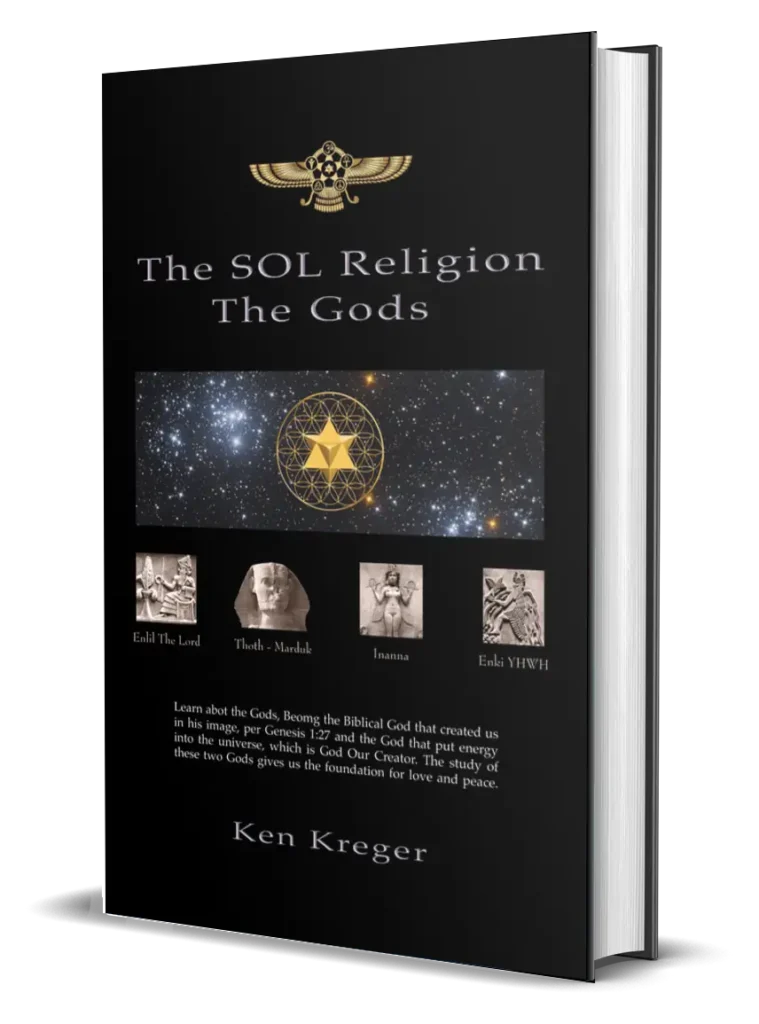
Don’t get me wrong, I love the rain and I respect the Ancients. It’s just that the intensity of this rainy season prompted me to reflect on the story of the Great Flood. You can explore this history further in Zecharia Sitchin’s Earth Chronicles, as well as in the books by Sasha and Janet Lessin, titled The Anunnaki. They were students of Sitchin and authored five richly illustrated books on the subject.
We encourage you to explore how human life truly developed and to look beyond religious stories that tell only part of the narrative.





One Response
Ken, the great flood and your current rain is the way that nature cleanses, renews and refreshes our precious Earth and us!